Worldbuilding Factions: 5 Secrets from Fallout Lore
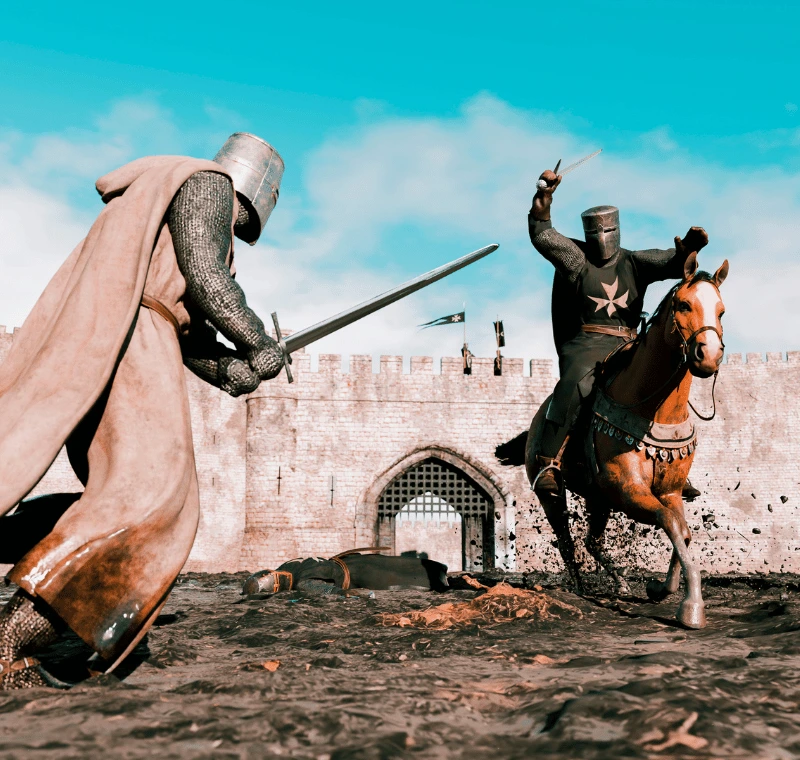
Learn how Fallout creates factions that feel real, from the NCR to Caesar's Legion. Five worldbuilding tips for GMs, authors and hobbyists, plus how to start your own.
World Anvil Academy
Practical lessons for curious worldbuilders, imaginative writers and unforgettable game masters. Your next great idea starts here.
Browse tagged articlesKeep your curiosity alive
Learn how Fallout creates factions that feel real, from the NCR to Caesar's Legion. Five worldbuilding tips for GMs, authors and hobbyists, plus how to start your own.

Gothic isn't just a bunch of tropes or an aesthetic. It's far more seductive - and subversive. Unpack why gothic exists, what makes it tick, and how to craft a gothic setting for any genre.
Whether or not you're a cozy fan yourself, the genre's appeal is undeniable. So what draws people in? And more importantly, how can you harness that appeal for your own work?
Fights scenes can add conflict and action to your stories. But they're more than just choreographed violence, they're storytelling tools. Here are some important things to consider.
A fictional country isn't just geography, politics, or even a people. It's a story people tell themselves. If you don't know what that story is, you're missing the opportunity to turn your countries into storytelling engines.
Explore four universal pleasure buttons that can make your worldbuilding more addictive, along with practical tips on how to incorporate them into your work.
Revolutions and rebellions are a staple of fantasy and science fiction for good reason. Here's a guide for how to write - and subvert - them in your stories and games.
Solarpunk is a speculative fiction movement — part aesthetic, part political philosophy, part genre — built around one electrifying premise: what if we actually fixed things?
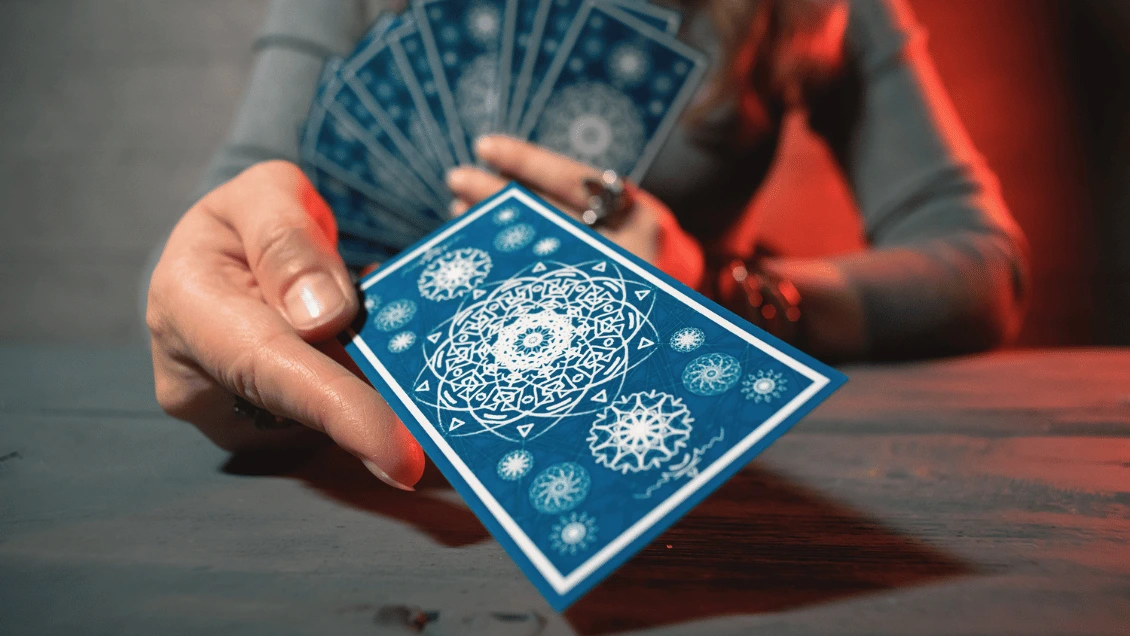
Tarot cards can make your D&D sessions more mysterious, immersive, and dramatic — and there’s a full spread of ways to use them in your campaign! If you’re ready to find a use for that Tarot Deck you got in a Kickstarter, read on!
Snow Globe worldbuilding is when your setting feels like it only exists to serve your main characters. It's also called Mary-Sue worldbuilding. Here's how to spot - and fix - it.
Why does the Evil Empire keep showing up as fiction's go-to villain? And more importantly for worldbuilders, how do you create a fantasy or scifi empire that doesn't feel like a cliche?
Here's how to make your world history a fascinating mystery, including five ways to destroy your ancients like a wrathful god, and the tools to make sure your audience is dying to know what really happened.
Is magic quietly undermining your worldbuilding? The Porcelain Hypothesis is a worldbuilding theory that explains why fantasy worlds get stuck in the medieval era.
Omniscient point of view is one of the oldest narrative styles - and one of the most difficult to execute well. Here's a guide to what it is, and when and how to use it.
Economics is one of the most commonly glossed-over elements in worldbuilding. Don't miss out on one of the most powerful tools available for generating conflict, culture, and depth.
Second worlds are the most common type of setting in traditional fantasy, and the most ambitious. This checklist cuts through the overwhelm by focusing on what actually matters.
Urban fantasy, paranormal mysteries, dark academia, spy thrillers — the secret world is one of fiction's most versatile settings. Here's what you need to know to build one without breaking it.
When every member of a species or culture feels essentially the same, your audience checks out. The good news? You can fix it without overhauling your entire world.
Worldbuilding politics doesn't have to feel like a chore, or a minefield. When you get it right, a rich vein of juicy conflict will run through the very bones of your setting. Here's a step-by-step guide.
Without people - sapient species & cultures - your setting isn't a place where stories can happen. Here's how to start populating your world.
Examples of episodic storytelling, the best places to publish it, and advice on how to write consistent, irresistible serialized stories.
Is your worldbuilding balanced? Check with the Triangle of Power! This helpful worldbuilding technique is great for magic, powers & scifi tech. Use it for ultimate worldbuilding balance, and to prevent OP stuff in your world!
How can you come up with a satisfying structure for your novel? Let's take a look at the Hero's Journey.
How long should your story be? This resource includes the most standard word counts for each type of story length, from microfiction to novels!
Every great world starts somewhere
Dive deeper and learn about how World Anvil can help you!